

Have you ever taken a stroll through a city after a massive festival, or maybe walked through a stadium after a sold-out gig? If you have, you know exactly what I’m talking about. It’s a sight that stays with you, and not in a good way. We’re talking about shattered glass, knee-deep mountains of single-use plastic cups, and a cleanup operation that looks more like a disaster zone than a post-party tidy-up. Ouchies.
It’s a massive problem, isn't it? But here at The Alternative Craic, we’re not just about pointing out the mess; we’re about finding the "craic" in the solution! We recently kicked off our new series, "Unboxing Sustainability," and in Episode 1 over on Instagram, we started diving into how we can fix this.
Today, we’re going deep. We’re talking about the nuts and bolts, the actual logistics, of moving from a "throwaway" culture to a "circular" one. Whether you run a cozy corner cafe or a high-volume city-center pub, this is for you. Because let’s face it: Sustainability is about solving today's problem without breaking tomorrow. 💎
The "Plastic Mountain" Problem
Every year, the hospitality industry in Ireland generates thousands of tonnes of waste. During peak events like St. Paddy's Day, this hits a fever pitch. Single-use plastic is the easy choice, but it’s a curse for our streets and our oceans.
Traditional recycling isn't the magic wand we once thought it was. Many plastic-lined paper cups can’t even be processed in standard facilities. That’s why we need a system that doesn't just "manage" waste but eliminates the need for it in the first place.

Enter: The Reusable Cup Program
So, how does a reusable cup program actually work? It sounds simple on paper, just use the cup again, right?, but the logistics are where the magic (and the hard work) happens. To make this work for a busy pub or cafe, you need four key components:
1. The Collection & Return Infrastructure
You can’t just hand out a reusable cup and hope for the best. You need a way to get it back! Successful models, like the ones seen in international pilots, use prominent return bins. Think of them like high-tech post boxes for your pints. For a pub in a busy area, these bins need to be everywhere, convenient enough that a customer doesn't even have to think about it.
2. The Limerick Model: The Deposit System
One of the most effective ways to ensure these cups come back is the Limerick Model. It’s a classic "carrot and stick" approach. You charge a small deposit, typically €1 to €2, when the customer buys their drink. When they bring the cup back to the bar or a designated return point, they get their money back.
It’s a simple psychological flip. Suddenly, that cup isn't "trash", it's a Euro in your pocket.
3. Washing and Sanitization (The Real Hero)
This is the part that usually worries business owners. "Penny, who is going to wash all these cups?"
For smaller cafes, an in-house high-temp dishwasher does the trick. But for big pubs? You might need a logistics partner. In cities like Petaluma, they’ve used centralized washing hubs. The cups are collected, whisked away to a professional facility, sanitized to the highest standards, and delivered back the next morning. It’s like a linen service, but for your reusable cups.
4. Tracking and Data
In 2026, we don't just guess; we track! Many reusable systems now use QR codes or RFID chips on the bottom of the cups. This allows you to see:
- How many times a cup has been reused.
- Which return bins are the most popular.
- The "loss rate" of your inventory.
Why Pubs Are the New Frontier
For a long time, the "reusable" conversation was stuck in the world of lattes and flat whites. But the real explosion of impact happens when we bring this to the night-time economy.
Imagine a festival or a busy Saturday night in a pub. If you switch from single-use plastic to a high-quality, heavy-duty reusable glass that can be washed and reused hundreds of times, the math starts to look very good for your bottom line.
The BYOP (Bring Your Own Pint) Concept
We’ve all seen "Bring Your Own Cup" for coffee, but BYOP is the next big thing. Why not reward customers who bring their own pint glass?
- For the Customer: A 20c or 50c discount on their drink.
- For the Business: You save on the cost of purchasing single-use items and the massive cost of waste disposal.
It turns your customers into partners in your sustainability journey. Plus, it’s a great conversation starter at the bar!
Is it Economically Sustainable?
Let’s talk money, because we know that’s a huge factor for any business owner. Transitioning to a reusable system has an upfront cost, yes. You’re buying a higher-quality product than a flimsy plastic cup.
However, when you look at the long-term savings, the "miracle" happens:
- Reduced Waste Levies: Irish waste disposal costs are only going one way, up.
- Bulk Purchasing Savings: Stop buying thousands of "use-once" items every week.
- Brand Loyalty: Customers are actively looking for businesses that give a hoot about the planet. Being the "eco-friendly pub" is a massive marketing win.
If you’re a cafe owner, you might remember our previous deep dive into Sustainable Coffee Pouches (check that out if you haven't!). Just like switching your packaging, switching your cup logistics is an investment in your brand’s future.

The "Full-Circle" Journey
Starting with a reusable cup program is often the first step in what we call the "full-circle" sustainability journey. Once you nail the logistics of cups, you start looking at everything else.
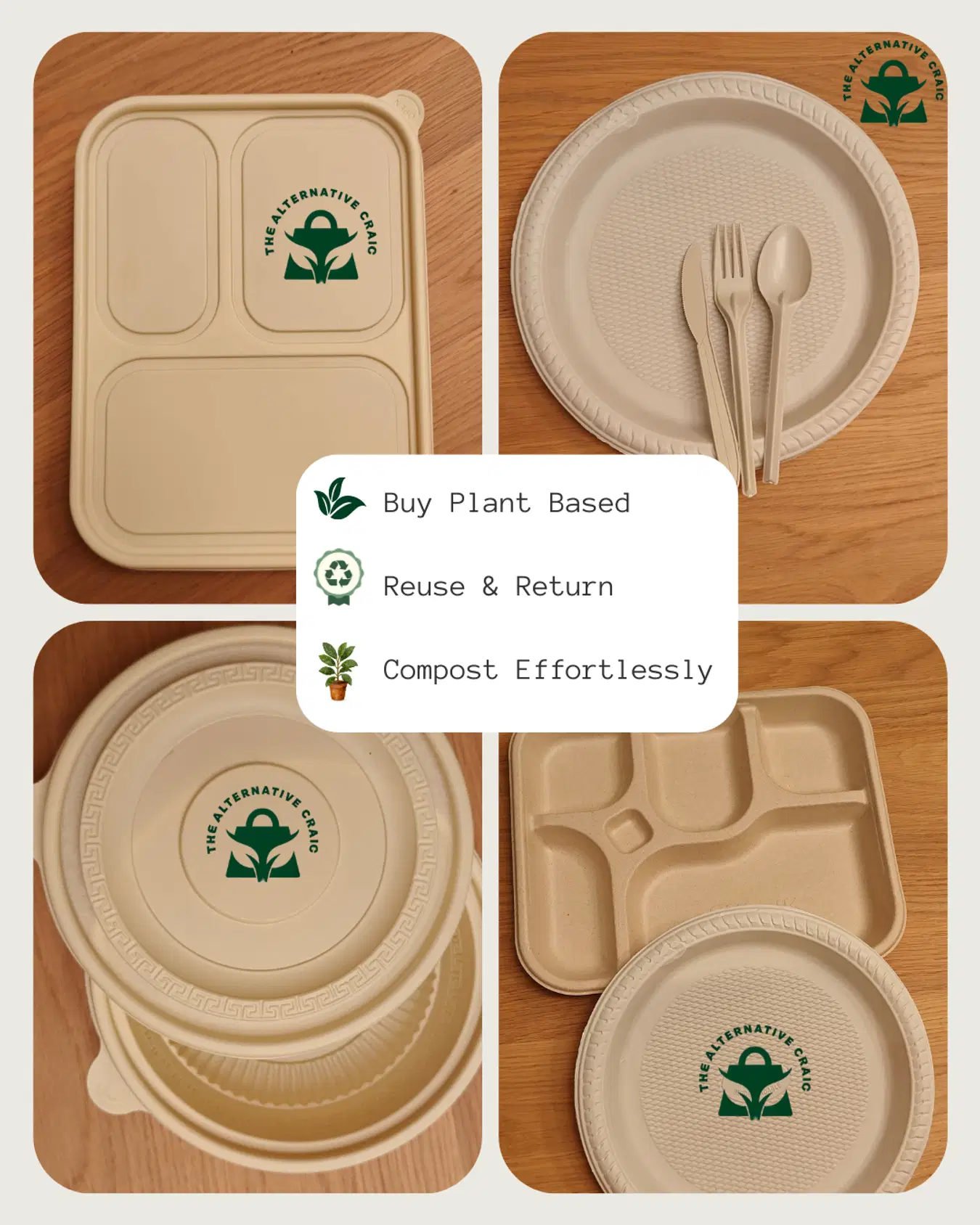
- Are your forks and knives plant-based?
- Are you using plant-fiber-based trays for your food?
- Have you looked at our Bean to Cup guide for total cafe optimization?
Every small change adds up. When you combine a reusable cup program with compostable lids and eco-friendly tableware, you aren't just a business; you’re a leader in the green revolution.
The Stepping Stone: Testing the Waters
Look, we know this is all a bit much at first. It’s a big shift! But hey, we are with you. Before you make a massive investment in time and money, take a look at our plant starch transparent cups. They look and feel just like traditional plastic cups, but they are made entirely of plant products. While they aren’t forever-cups, they can be reused for a good 10-15 times. They are the perfect "middle ground" for experimenting with a reusable scheme and getting the most out of it without the high upfront cost.
How to Get Started (The Penny Checklist)
Ready to take the plunge? Here’s how you can start moving toward a reusable system today:
- Audit Your Waste: Spend one week actually looking at what goes in your bins. How many cups are you tossing?
- Pick Your Material: Look for durable, plant-based materials that feel good in the hand. Nobody likes a flimsy pint!
- Choose Your Model: Will you do the Limerick Model (deposit), or will you focus on a BYOP reward system?
- Communicate: Talk to your staff and your customers. Explain the "Why", reference that St. Paddy's Day mess! People want to help if they know how.
- Check Out Our Catalog: We have a range of compostable and reusable options to help you bridge the gap.

Final Thought
Transitioning to a reusable cup program isn't just about being "green", it's about being smart. It’s about taking control of your supply chain, reducing your waste costs, and making sure our streets don't look like a plastic graveyard every time there’s a celebration.
We’re all in this together, and the logistics might seem daunting at first, but once the system is in place, it runs like a well-poured Guinness. Smooth, consistent, and satisfying.
Want to see these products in action?
Make sure you head over to our Instagram and check out the Unboxing Sustainability Episode 1 Reel. Hit that follow button because Episode 2 is coming soon, and we’ll be unboxing even more ways to give your business an eco-friendly edge!
Let's solve today's problems so we can actually enjoy tomorrow. What’s the first step you’re taking toward a reusable system? Drop us a DM or leave a comment: we’d love to chat!
Coming up next: We’re diving into the world of compostable liners and why your bin setup might be the secret to saving hours of labor. See you then! 🌿✨
0 comentarios