

Let’s be real for a second, boss, running a business is a bit of a whirlwind. Between managing the books, keeping the coffee brewing, and making sure your customers leave with a smile, the last thing you want to spend your evening doing is a deep dive into the molecular structure of a takeaway lid.
But here’s the thing: the world is changing. We’re sitting here in March 2026, and the pressure to go green isn't just a "nice-to-have" anymore; it’s the standard. Whether it’s the new PPWR (Packaging and Packaging Waste Regulation) rules kicking in or just the fact that your customers are getting way more savvy about what they toss in the bin, you’ve probably got questions.
"Is this actually better than plastic?" "Will it melt in a microwave?" "Where does it even go when I'm finished with it?"
We hear you! To make your life a million times easier, we’ve put together this big, beautiful FAQ. It’s the ultimate "cheat sheet" for everything we do here at The Alternative Craic. Let’s dive into the miracle of sustainable packaging and clear up those "ouchies" of confusion once and for all! 🚀
1. What on earth are your products actually made of?
This is the big one! We don’t use magic (though it feels like it sometimes), we use nature. Our mission is to move away from the "miracle" material that turned into a global crisis, traditional plastic. If you want to see how that whole plastic mess started, check out our deep dive into the history of the plastic crisis.
Instead of petroleum, we use three main "hero" materials:
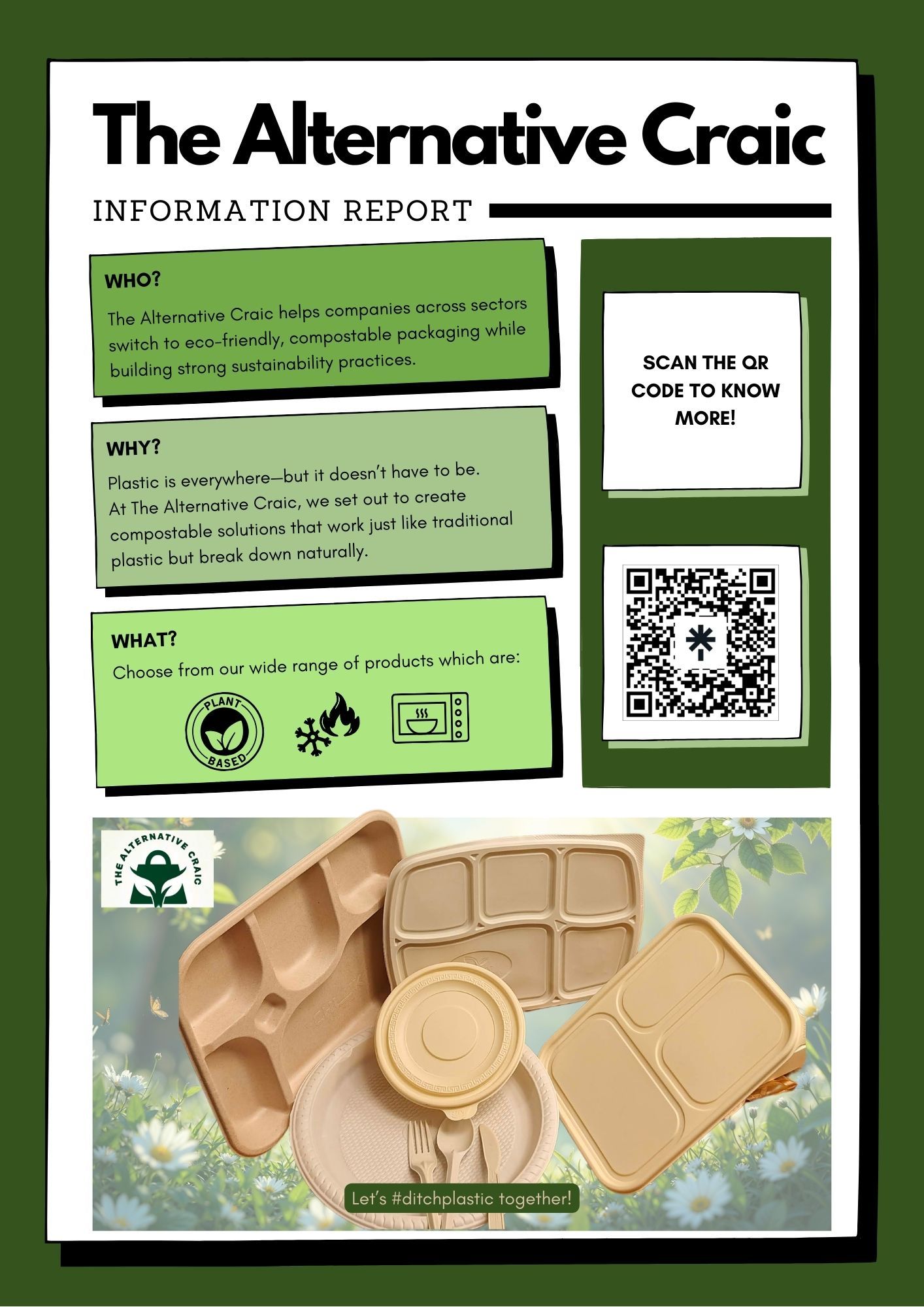
- Plant Starch (PLA): Think of this as "corn-based plastic." It looks like plastic, acts like plastic, and keeps your cold drinks crisp, but it’s actually made from fermented plant starch (usually corn or sugar beets).
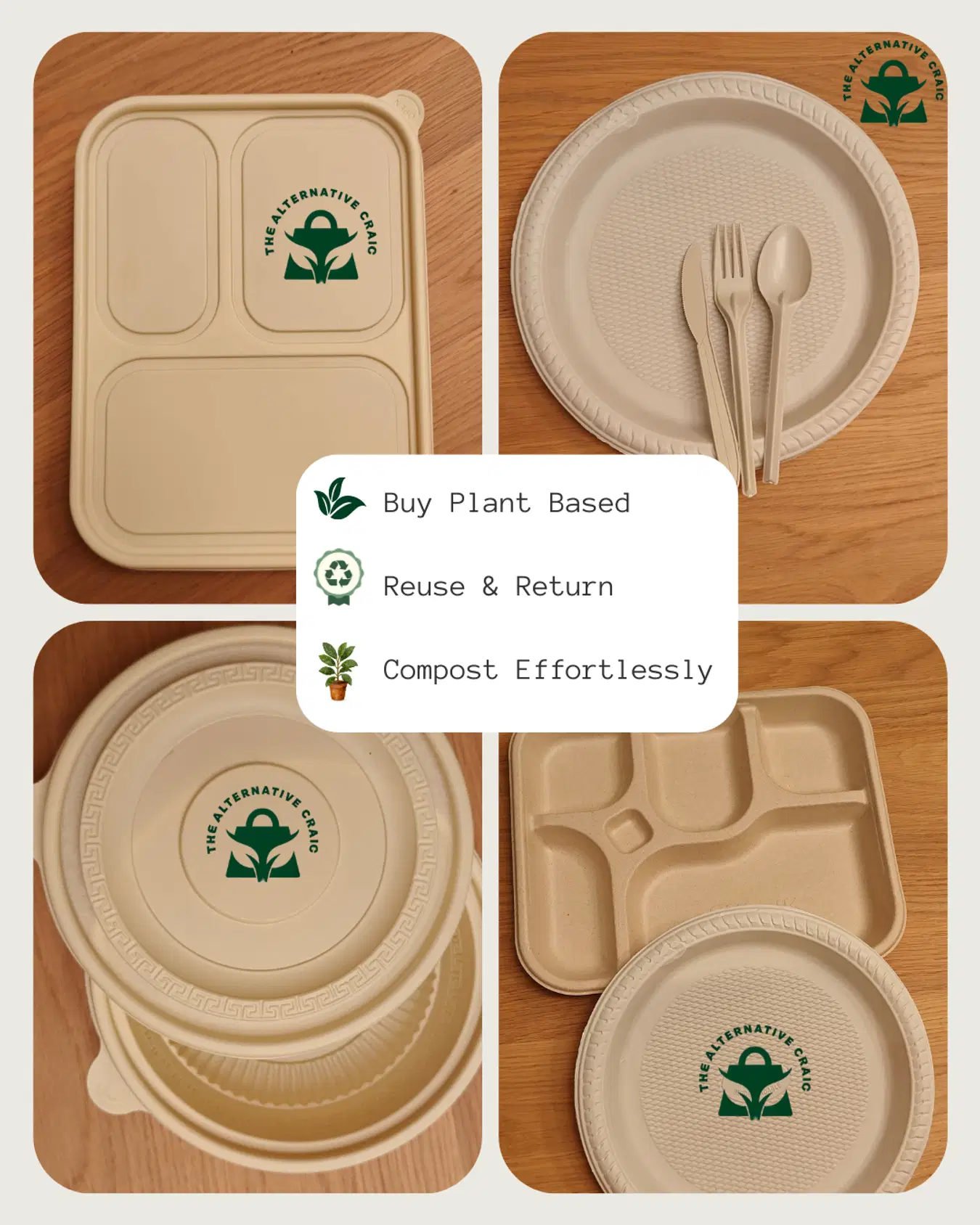
- Plant Fiber (Bagasse): This is the ultimate upcycling win. It’s made from the fibrous residue left over after sugarcane is processed. It’s incredibly sturdy, grease-resistant, and perfect for those heavy-duty lunch trays.
- FSC-Approved Paper: Good old-fashioned paper, but sourced from forests that are managed responsibly. No "mystery wood" here!
2. Are they really compostable? (The Home vs. Industrial Chat)
Short answer: Yes! But there’s a little bit of "sciencey" detail you need to know so you can explain it to your customers.
Not all compostable items are created equal.
- Industrial Composting: Most of our plant starch (PLA) products need the high heat and specific conditions of an industrial composting facility to break down properly. This is why we always say the Brown Bin is your best friend.
- Home Composting: Some of our lighter paper and fiber products can handle a backyard compost pile, but they’ll take a bit longer.
The key takeaway? These products are designed to return to the earth, not sit in a landfill for 500 years. They are part of a "closed-loop" cycle where your coffee cup eventually becomes nutrients for next year's crops. 🌿
3. How long does it take to break down?
In a professional composting environment, our products usually fully disappear within 3 to 6 months.
Compare that to a traditional plastic water bottle that takes 450 years, and you can see why we’re so excited! By the time you’ve finished your next quarterly tax return, your old takeaway box could literally be dirt. That’s the kind of fast-paced change we love to see.
4. Can these be recycled? (Why the Brown Bin is King)
This is a "secret" that many people get wrong, and it’s a total head-scratcher. Do NOT put compostable packaging in the Green Bin (Recycling).
Wait, what? Why?!
It sounds counter-intuitive, but here’s the logic: Recycling centers are designed to sort and melt down specific plastics (like PET). If a plant-starch cup ends up in a bale of plastic water bottles, it can actually contaminate the whole batch, making the recycled plastic weaker and essentially ruining the "miracle" of recycling.
The Rule of Thumb:
- Green Bin: For clean, dry plastic, metal, and paper.
- Brown Bin: For food waste and all of our compostable products.
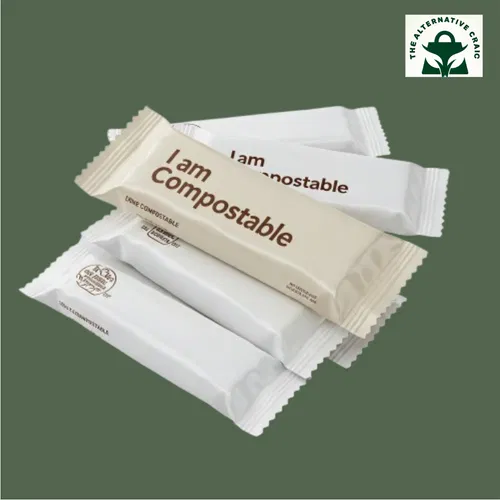
If you’re unsure, just look for the "I am compostable" label on our bar wrappers or cups!
5. Do you offer bulk discounts? (The Money Chat 💰)
We know that going green can sometimes feel like it’s hitting your bottom line. We want to make sustainability accessible for every business, from the tiny sourdough start-up to the busiest Dublin cafe.
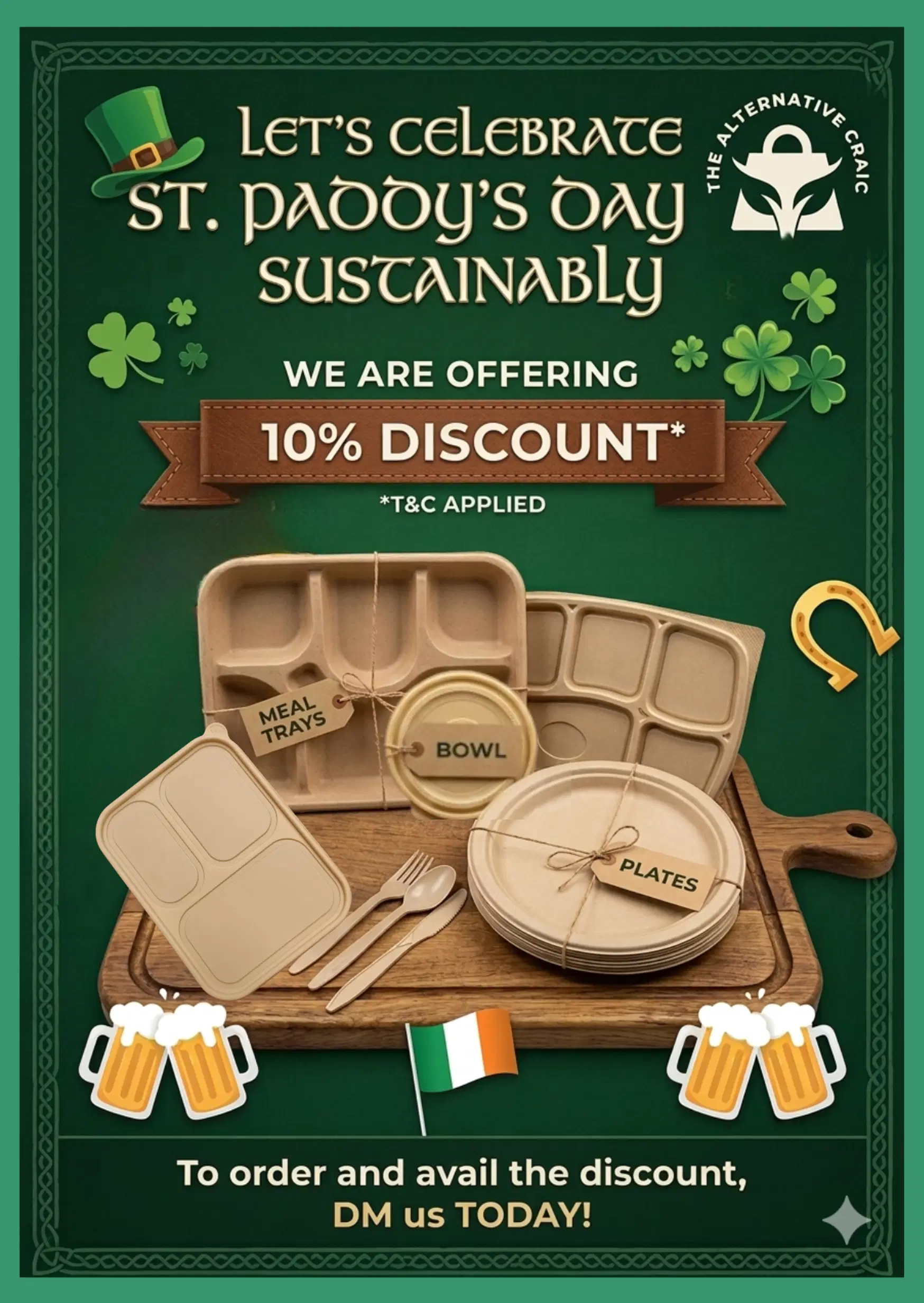
To help you make the switch, we offer a 10% discount on your first bulk purchase.
It’s our way of saying "Welcome to the family!" Switching your entire inventory to eco-friendly options is a big step, and we want to take the sting out of that first order. Just shoot us a message or check out our products page to get started.
6. What industries do you serve?
Alright, here’s the proper "who we’re for" breakdown — because yes, we serve food and drink… but we also serve brands who ship, stack, wrap, and want to do it without the plastic guilt. We mainly see our customers fall into three big camps:
1) Hospitality (AKA: feeding the nation, one rush at a time)
Whether you’re flat out on a Saturday morning or doing 300 lunches in a school hall, this is where compostables really earn their keep.
- Cafes: Your daily heroes — we’ve got compostable coffee cups (hot cups, cold cups, lids, the whole lot) so your flat whites can be planet-friendly and spill-resistant.
- Restaurants: From starters to desserts, we’ll sort you with sturdy takeaway bits like takeaway containers and plant-fibre packaging that doesn’t go soggy mid-delivery.
- Food trucks: The land of "one hand free, the other holding chips." Think PFAS-free trays and tough plant-fibre options that won’t fold under the weight of loaded fries.
- Catering companies: Big events = big volumes. We’re your bulk-friendly backup for cups, cutlery, trays, and serving essentials that keep things moving (and bins cleaner).
- School meal providers: Reliability is everything here — practical PFAS-free trays and food-safe packaging that can handle real-world service, not just a staged photoshoot.
If you’re building out a full food-service setup, our plant fiber solutions are usually the MVP.
2) Retail (the "it needs to look good and travel well" crew)
Retail packaging has two jobs: protect the goods and make your brand look class while doing it.
- Roasteries & specialty coffee brands: This is where sustainable coffee pouches come in — stand-up pouches that keep your beans fresher for longer while helping you ditch the usual plastic-heavy options.
- Chocolate makers & gifting brands: Premium treats deserve premium packaging — think chocolate boxes that feel giftable, not landfill-able.
- Bakeries with retail shelves (and online orders): We’ve got cake boxes that stack neatly and show up looking the part. And for everyday grabs, our eco friendly bakery bags keep crusts crisp and customers happy.
Basically: if it’s going on a shelf, in a bag, or into a customer’s hands, we’ll help you do it with packaging that doesn’t scream "single-use plastic."
3) Lifestyle brands (fashion, travel, and the "we ship stuff" world)
Not every compostable win comes with ketchup on it.
- Fashion brands: We supply compostable zip-lock bags for clothing — perfect for keeping garments protected in transit without wrapping your sustainability story in plastic.
- Travel & outdoors companies: Same idea: durable, tidy, lightweight zip-lock style packaging that keeps products organised while keeping your brand values consistent from checkout to doorstep.
So whether you’re serving cappuccinos, shipping knitwear, or boxing up brownies… we’ll get you sorted with compostables that make sense for how your business actually runs. If this builds the curiosity, start shopping by category to find the perfect fit for your business.
7. Are they microwave and freezer safe?
You bet they are! Here’s the simple version:
- Freezer-safe: Yes! Our plant fiber and plant starch products are freezer-friendly, so they’re grand for meal prep, frozen treats, and chilled storage.
- Microwave-safe: Yes! Our PLA/plant starch products are microwave-safe and heat-resistant, so they’re perfect for hot food too.
If you’re ever unsure which product you’ve got in your hand, give us a shout and we’ll point you to the right option for your menu.
8. Why should I bother? Is it actually good for business?
Look, we get it. Change is work. But the benefits for your business go way beyond just "saving the planet."
- Customer Loyalty: People (especially Millennials and Gen Z) are actively looking for brands that align with their values. Seeing your logo on a compostable bag says, "I care about the future."
- Healthier Products: No PFAS, no "forever chemicals," and no nasty toxins leaching into your hot food. It’s a safer experience for your customers.
- Future-Proofing: Government regulations are getting tighter every year. By switching now, you’re staying ahead of the curve and avoiding the "ouchies" of sudden bans or fines.
If you’re interested in how this fits into the bigger picture, like the UN Sustainable Development Goals (SDGs), we’ve got a handy guide for businesses right here.
Final Thought
Switching to eco-friendly packaging doesn't have to be a headache. It’s all about taking it one step at a time: one cup, one bag, or one tray at a time. We’re here to make sure you have the best materials and the best advice to make your business shine while keeping Ireland green.
Still got a burning question that we didn't cover here? Don't be a stranger! Drop us a line or head over to our search page to find exactly what you're looking for. We’re always up for a chat about how to make your packaging more sustainable.
0 comentarios