

Remember in our recent FAQ post when we tackled the big questions about compostable materials (durability, storage, the whole shebang) and basically said, “Yep, this stuff actually works”? Well, consider this the sequel! We are diving deep into the one product that is currently turning the specialty coffee world upside down (in the best way possible): Sustainable Coffee Pouches.
If you’re running a roastery or a busy cafe, you already know the drill. You spend weeks sourcing the perfect beans, perfecting your roast profile, and cupping until your taste buds are vibrating. But then, you put all that hard work into a plastic bag that’s going to sit in a landfill for 500 years. Ouch.
It feels a bit contradictory, doesn't it? Loving the land that grows your coffee while simultaneously handing out packaging that hurts it. That’s why we’re so excited to chat about how compostable tech has finally caught up to the high standards of the coffee industry. Let’s dive into why this is a total game-changer for your business!
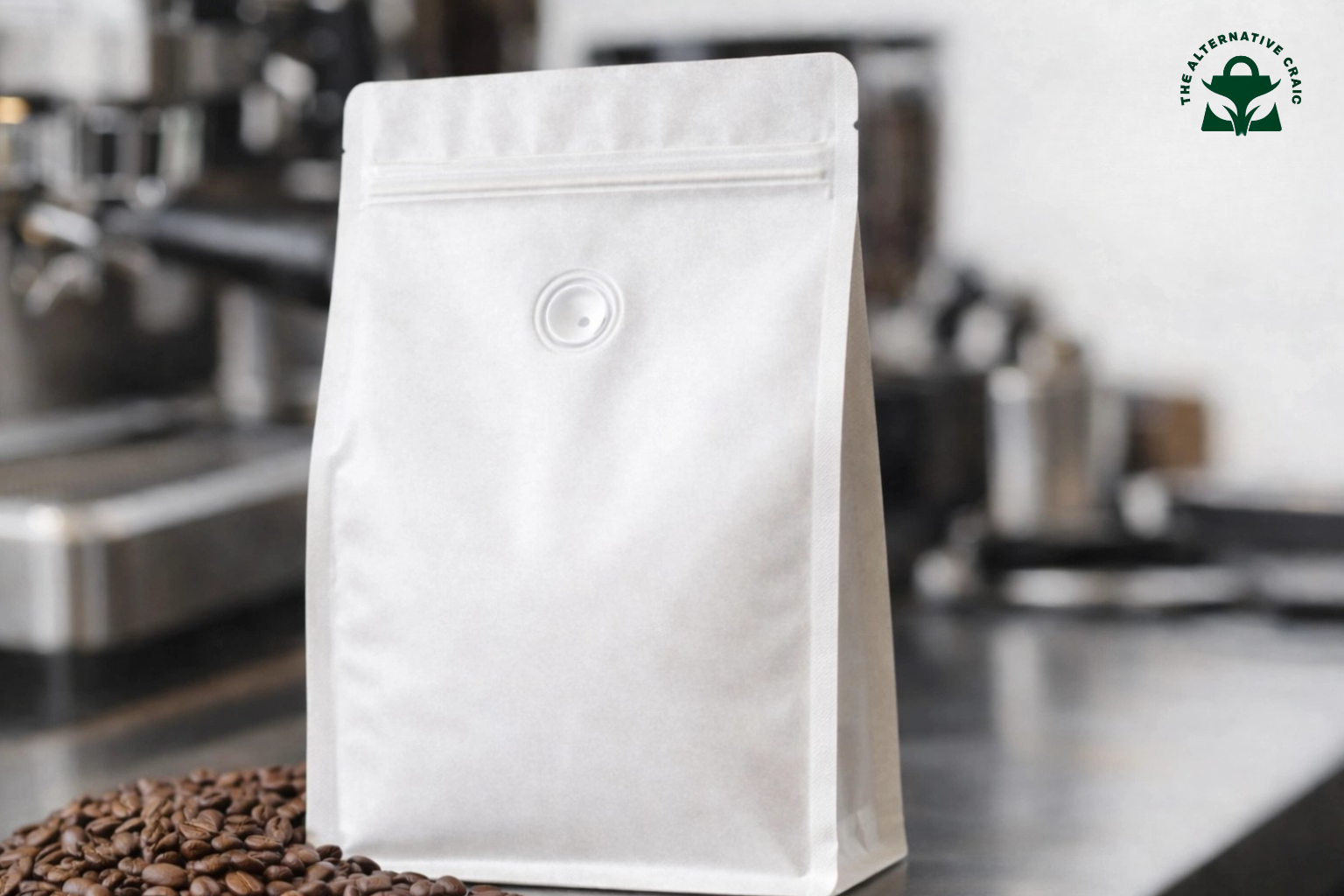
The "Lungs" of the Bag: The Magic of Compostable Degassing Valves
Let’s get technical for a second, but we'll keep it simple. Freshly roasted coffee is a bit like a living thing, it needs to "breathe." Specifically, it needs to release Carbon Dioxide (CO2). If you seal fresh beans in a bag without a valve, that bag is going to puff up like a balloon and eventually... boom.
But there’s a catch: while we want the CO2 out, we absolutely cannot let Oxygen (O2) in. Oxygen is the ultimate enemy of freshness; it turns those beautiful fruity notes into something that tastes like wet cardboard.
For years, the "valve" was the sticking point for eco-friendly packaging. You could have a paper bag, sure, but the little plastic valve wasn't compostable. You’d have to cut it out before throwing the bag away, and let’s be honest, who has time for that?
The secret is finally out: We now have fully compostable degassing valves! These tiny heroes are made from plant-based polymers that perform exactly like plastic but break down in industrial composting conditions. You get the "burp" of the CO2 without the environmental "curse" of plastic.
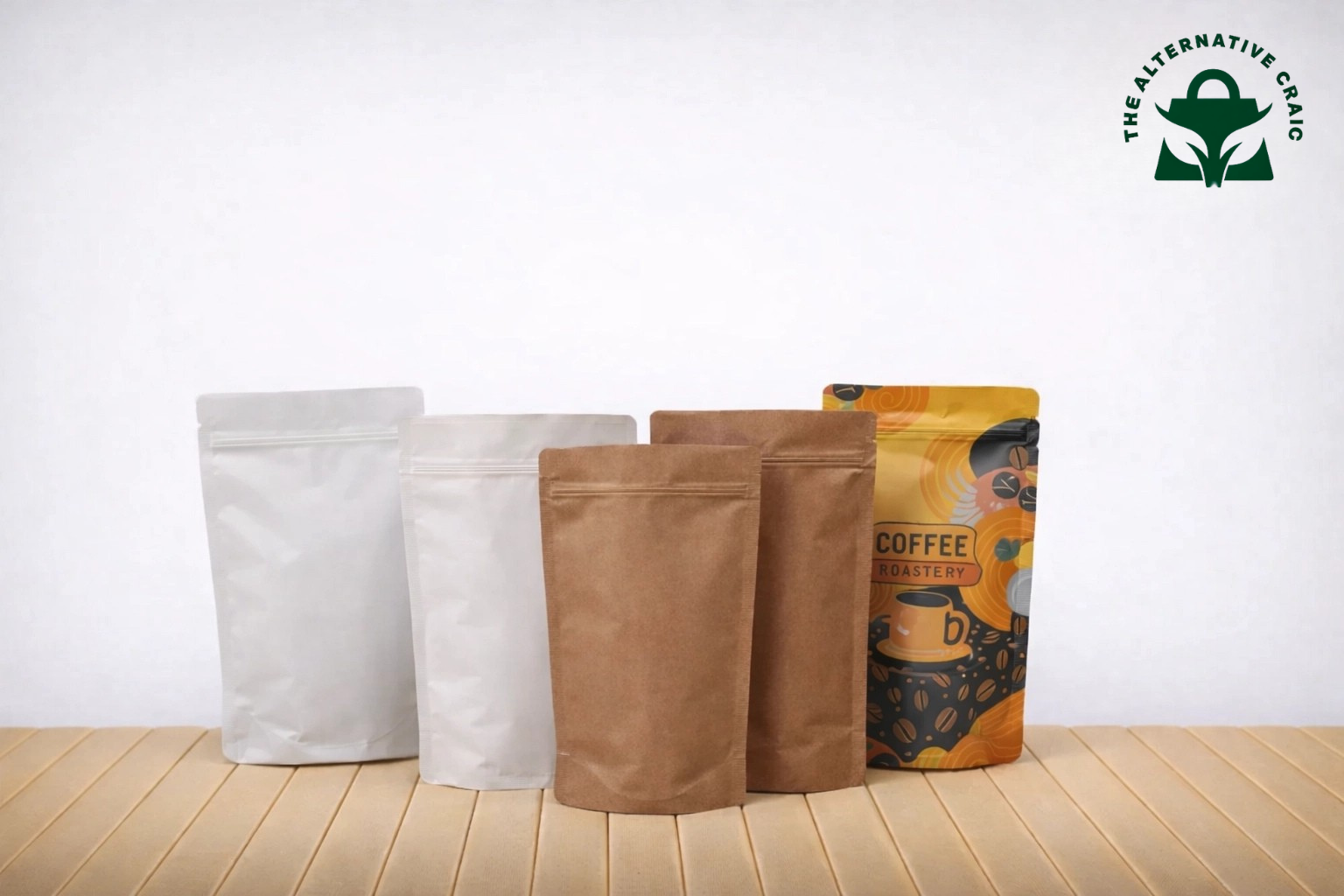
What’s Inside? Breaking Down the Materials
You might be wondering, "If it's not plastic, what on earth is it?" It sounds like a miracle, but it’s actually just clever science. Our sustainable pouches are usually a "blend" of a few key ingredients:
- PLA (Polylactic Acid): This is a fancy way of saying "starch." It’s usually made from corn or sugarcane. It looks and feels like plastic, but it’s 100% plant-based.
- Cellulose: This comes from wood pulp (sourced from sustainably managed forests, of course!). It provides a fantastic barrier against moisture and air.
- Kraft Paper: This gives that beautiful, organic, "earthy" feel that customers love. It’s strong, durable, and screams "I care about the planet."
When you combine these, you get a multi-layer pouch that protects your beans just as well as the old-school foil-lined bags, but with a much lighter footprint on our "global playground."
Convenience Without the Guilt: Zippers and Resealability
Want to see these pouches in action before you commit? Have a quick peek at our Instagram Reel here: https://www.instagram.com/reel/DK7Wd4QNWU2/ — it’s a handy little “real life” look at the vibe, the materials, and the everyday usability.
The Materials Reality Check: When High-Barrier Is the Job
We’re obsessed with compostable, plant-based packaging (no surprise there). And in a perfect world, every pouch would tick every box. But in packaging terms, this bit is really about technical performance requirements — sometimes the “job description” calls for high-barrier protection, and structures like Kraft + Aluminum are built specifically for that.
Here’s when high-barrier materials can be genuinely useful:
- Extra-long shelf life: if your coffee is travelling far, sitting longer, or you’re building a retail presence.
- Oily or aroma-sensitive products: oils and oxygen are basically best mates, and that friendship ruins freshness fast.
- Maximum protection from light + oxygen: the two villains of flavour, especially for delicate roasts.
Think of it like choosing tools: a high-barrier laminate is the heavy-duty lock when freshness protection is the non-negotiable. And compostable structures are the smart, planet-friendly upgrade when your storage, turnover, and distribution setup allow for it.
In other words: if you need Kraft + Aluminum today, we’ll help you pick the smartest option for your product. And if compostable is the right tool for the job (which it often is), we’ll make sure you’re set up with a structure that keeps your coffee tasting exactly how you intended.
We’ve all been there, opening a bag of coffee and having the beans spill everywhere because the tin-tie broke or the tape lost its stick. It’s annoying for you and even more annoying for your customers.
Convenience is king in the retail world. That’s why our compostable pouches come with integrated zippers. Your customers can zip the bag shut, keeping that aroma locked in for weeks. And yes, even the zipper is made from compostable materials! It’s all about making the sustainable choice the easy choice.
The Secret Feature: They’re Freezer-Safe!
Here’s a fun fact we touched on in our recent FAQ post: our plant-starch and PLA products aren't just for the shelf, they are freezer-safe too!
A lot of coffee geeks like to freeze their beans to preserve peak freshness for months. Traditional compostable bags used to get brittle and crack in the cold. Not these. Our pouches can handle the sub-zero temperatures of a domestic freezer, keeping your roast protected until the very last bean is ground.
Psst... still have questions about how these materials behave? Check out our latest FAQ post!
Why This Matters for Your Brand (and Your Bottom Line)
Let’s talk business. Transitioning to sustainable packaging isn't just about feeling good: it’s a savvy market move.
- Meet Your Sustainability Goals: Whether you're aiming for B-Corp status or just trying to hit your own internal targets, switching your packaging is the quickest way to reduce your waste output.
- Appeal to the "Eco-Conscious" Crowd: Today’s coffee drinkers are more informed than ever. They look for the compostable logo. When they see you’ve invested in eco-friendly packaging for business, it builds massive trust.
- Differentiate Your Roastery: In a crowded market, your packaging is your silent salesperson. A high-quality, compostable stand-up pouch looks premium and tells a story of quality and responsibility.
We know that making the switch can feel like a big leap. There are concerns about cost, durability, and "will it actually work?" But the data is clear: businesses that align with the Sustainable Development Goals (SDGs) are the ones seeing long-term loyalty. If you want to dive deeper into that, check out our guide on SDGs for your business.
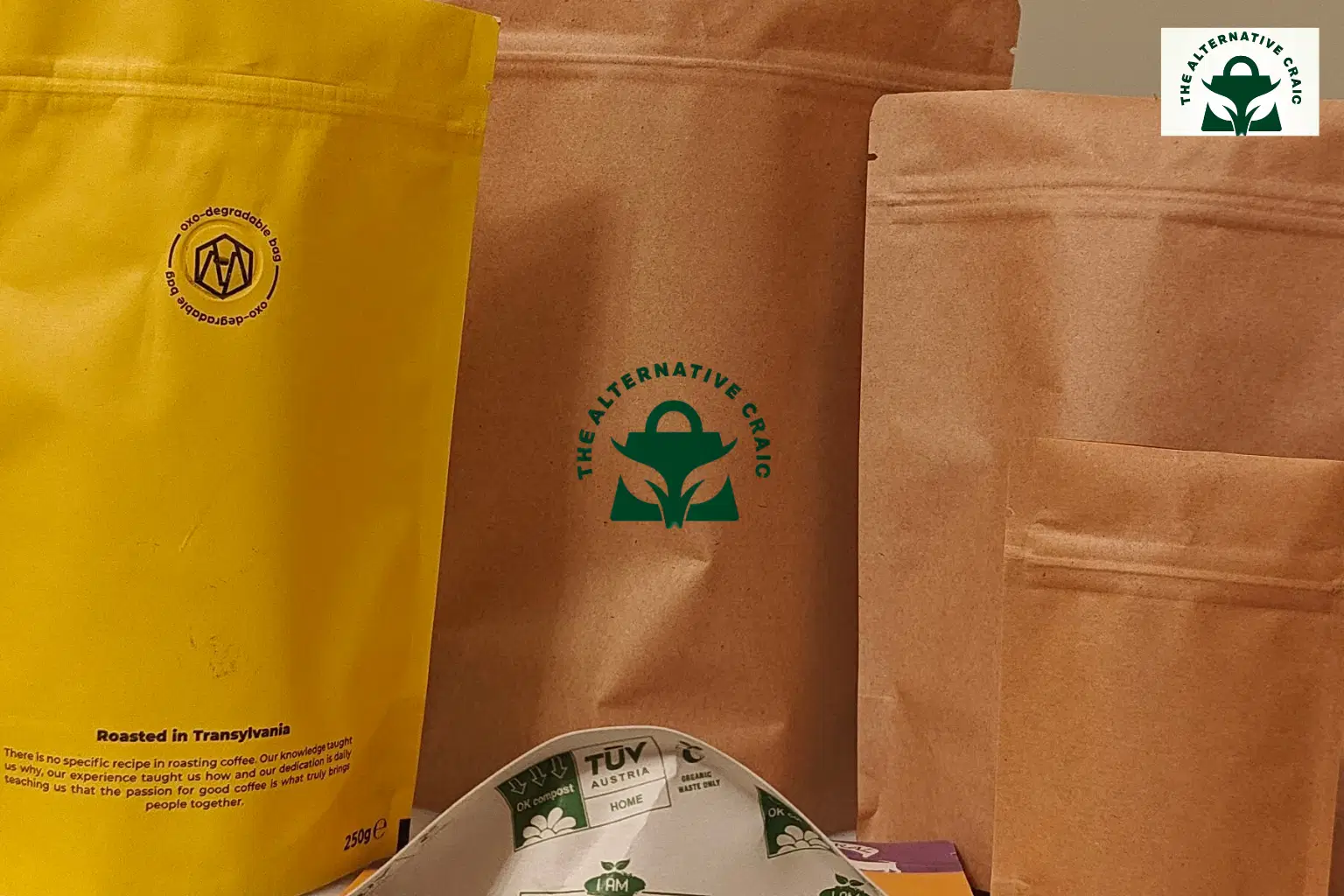
A Summary of the Game-Changers
If you’re skimming this over your morning espresso (no judgment!), here are the key takeaways:
- Freshness is Guaranteed: Compostable valves let CO2 out and keep O2 out.
- Plant-Powered: Made from corn starch, wood pulp, and paper.
- User Friendly: Strong resealable zippers for home storage.
- Cold-Hardy: Completely freezer-safe for the coffee collectors.
- Brand Booster: Shows your customers you actually walk the walk.
Final Thought: Let’s Make the Switch Together
At The Alternative Craic, we aren't just selling bags; we’re trying to fix a "plastic problem" that has become a "global crisis." You can read more about that here. But more importantly, we want to help your business thrive while doing the right thing.
Are you ready to level up your roastery? We want to make it as easy as possible for you to get started.
Ready to see the difference? Head over to our stand-up pouch product page and browse our range of sizes and colors.
✨ THE PERK: We’re offering a 10% discount on all first-time bulk orders! Just reach out or use the code at checkout to start your sustainable journey without breaking the bank.
Let's ditch the plastic and keep the "craic" sustainable! 🥑✨
Coming up next... Ready to go beyond packaging and tackle the whole cafe ecosystem? Next time, we’re diving into "From Bean to Cup: Your Full-Circle Guide to Cafe Sustainability" — the practical, no-fluff guide to making your cafe greener from first brew to last bin. You won't want to miss it!
0 comentarios